
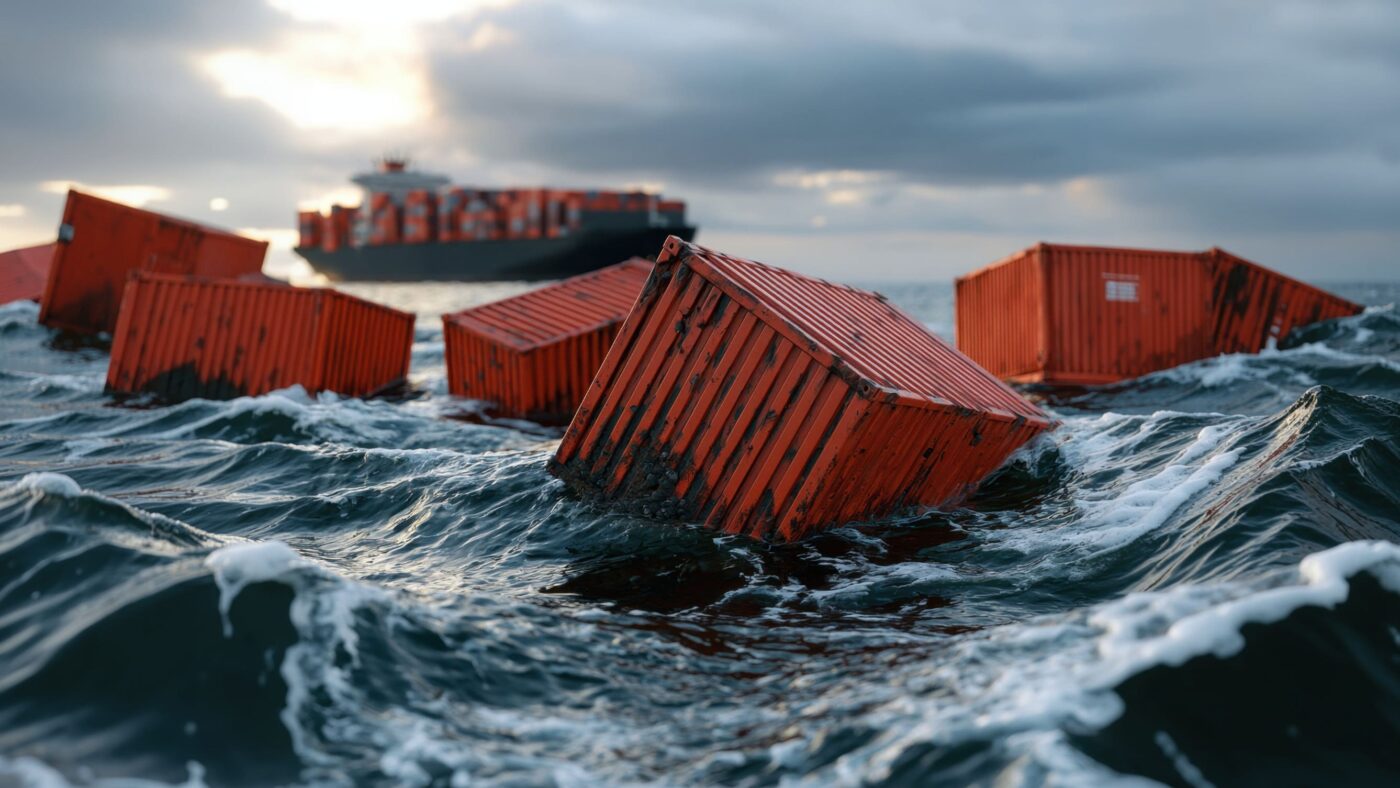
A missing shipment is one of the most stressful situations in international trade. Before panicking, it’s important to take a systematic approach: the sooner you act and the better your claim is documented, the greater your chances of recovering the goods or their value.
First: Confirm That the Shipment Is Actually Lost
Many shipments that appear to be “missing” are actually in a different situation:
- Delay or transshipment: The shipment is still in transit, but there are no tracking updates. Check out how to track your international shipment..
- Customs hold: The goods are being held for inspection or due to missing documentation.
- Delivery error: The shipment has arrived at its destination but was delivered to the wrong location or warehouse.
- Actual loss or theft: la carga no aparece en ningún punto del recorrido.
Contact your freight forwarder immediately to verify the last known status of your shipment.
Steps to Take Within the First 24 to 48 Hours
- Notify your freight forwarder and the carrier, and request a report identifying the last confirmed location of the shipment.
- Gather the documents: packing list, transport document (B/L or air waybill), insurance policy, and all relevant correspondence.
- Notify the carrier in writing. Formal notices are subject to deadlines, and submitting your notification in writing creates a documented record.
- Notify your insurance company. If you purchased cargo insurance, report the loss as soon as possible and follow the insurer’s instructions.
- File a formal claim with all supporting documentation, including the value of the goods, photographs or other evidence, and a timeline of events.
- Follow up and keep records of all responses.
Deadlines Matter
International conventions and transportation contracts establish deadlines for filing claims. These may range from just a few days for damage or delay notifications (for example, in air transportation, the Montreal Convention provides for notification periods generally ranging from 14 to 21 days, depending on the circumstances) to one or two years to initiate legal proceedings. The exact deadlines depend on the mode of transportation and the applicable contract. Confirm them with your freight forwarder or legal advisor, and act without delay.
Carrier Liability Is Limited
Even if you file a claim, the carrier’s liability is generally limited by international conventions and contractual terms, and compensation is often lower than the actual value of the goods. That’s why argo insurance is the key tool for protecting your investment.
How to Prevent Cargo Loss
- Purchase cargo insurance with adequate coverage.
- Pack and label each package correctly.
- Make sure all shipping documentation is complete and consistent.
- Actively track your shipment, whether it moves by ocean freight, air freight or ground transportation.
- Work with a freight forwarder who supports you at every stage of the shipping process.

 English
 Spanish