When shipping cargo by sea, one of the first decisions you need to make is how much space to book. The two main options are FCL and LCL, and choosing the right one can make a significant difference in cost, transit time, and safety during your ocean freight.
What Is FCL?
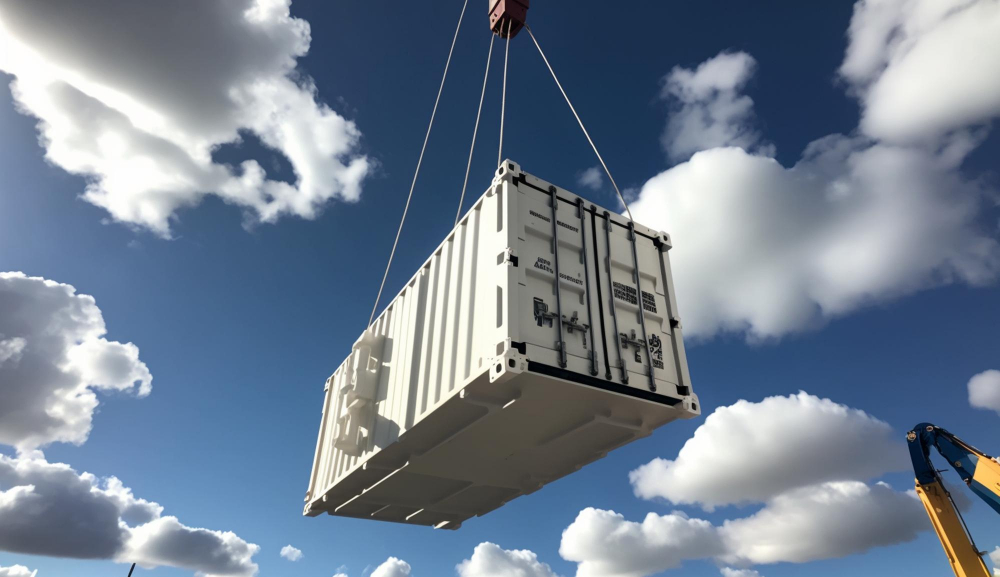
FCL (Full Container Load) means a full container. You book an entire container for your cargo, whether you fill it completely or not. This option is commonly available with 20 foot and 40 foot containers, and your cargo travels sealed from origin to destination.
What Is LCL?
LCL (Less than Container Load) means less-than-container-load or consolidated cargo. Your goods share a container with shipments belonging to other customers. The cargo is consolidated at a warehouse at origin, shipped together, and separated at a warehouse at destination. You pay for the space your shipment actually occupies, generally calculated per cubic meter or metric ton.
Comparison TableComparison Table
|
Criteria |
FCL |
LCL |
|
Space |
Full container for exclusive use |
Shared with other shipments |
|
Cost |
Priced per container; more cost-effective for larger volumes |
Priced per cubic meter or metric ton; suitable for smaller volumes |
|
Transit Time |
Generally shorter |
Often longer due to consolidation and deconsolidation |
|
Handling |
Less handling; container remains sealed |
More handling at warehouses |
|
Risk of damage |
Lower |
Slightly higher due to additional handling |
|
Best for |
Large volume shipments |
Small or frequent shipments |
When Is Each Option the Best Choice?
Choose FCL if:
- Your cargo fills a significant portion of the container. As a general reference, a 20-foot container offers approximately 28–30 m³ of usable space, while a 40-foot container offers around 60 m³ or more.
- Your goods are fragile, high-value, or sensitive to handling.
- You need greater control over your shipment and a shorter transit time.
Choose LCL if:
- Your shipment is small or does not justify booking an entire container.
- You frequently import smaller batches of goods.
- You want to test a supplier or product without committing a large amount of capital.
The Break-Even Point
Here’s a practical rule of thumb: when your cargo takes up close to half a container or more, request quotes for both options. FCL may be more cost effective even if you do not fill the entire container. The calculation depends on the route and the season, so comparing quotes is always a good idea. Learn what each price includes in our guide on How Much Does International Freight Shipping Cost?.
Additional Costs to Consider
With LCL, you may encounter consolidation and deconsolidation fees, as well as warehouse handling surcharges. With FCL, check the container’s free time to avoid demurrage and detention charges. In both cases, compare the total door-to-door cost rather than looking at the freight rate alone.
Final Tips
- Calculate the actual volume and weight of your goods before requesting a quote.
- Request quotes for both FCL and LCL on the same route.
- Consider your timeline. If time is critical, FCL is often the better option. Check the ocean freight transit times.
- Insure your cargo regardless of which option you choose, especially when importing from Asia.

 English
 Spanish