All Trans Cargo Group’s Newsletter!
The world is at a logistics crossroads. Geopolitical tensions, energy threats, and the growing need for specialized solutions are redefining how international trade moves.
One of the most critical concerns today is the potential closure of the Strait of Hormuz, a route through which over 20% of the world’s oil passes. Such a move would have immediate consequences on crude oil prices, trade routes, and the energy stability of key markets such as Asia and Europe.
At the same time, we observe how the world’s major ports in 2025 from Shanghai and Singapore to Rotterdam continue to be strategic hubs where innovation, connectivity, and unprecedented trade volume converge.
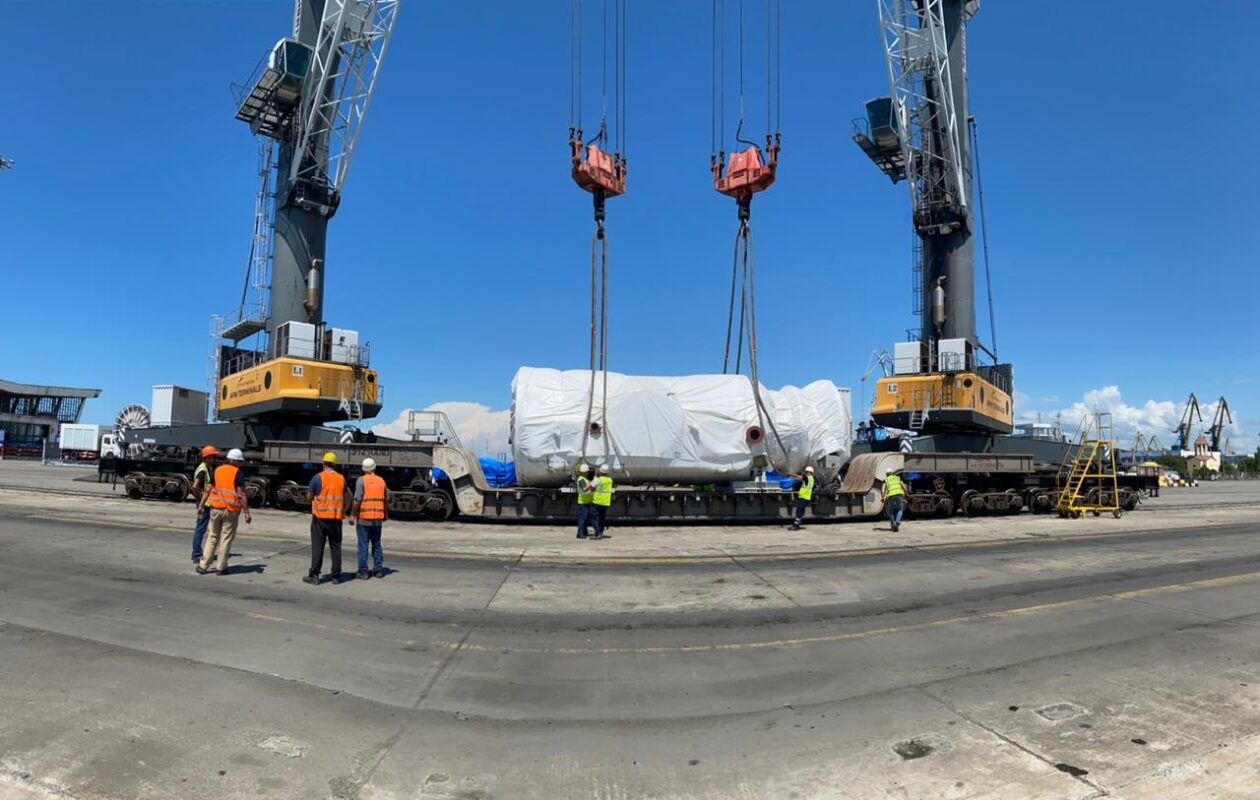
Additionally, our specialized OOG (Out of Gauge) service is being consolidated as an effective response to the new challenges of oversized cargo transportation. We move what others cannot, with infrastructure, technical expertise, and global coverage.
Is the world on the brink of an energy crisis?
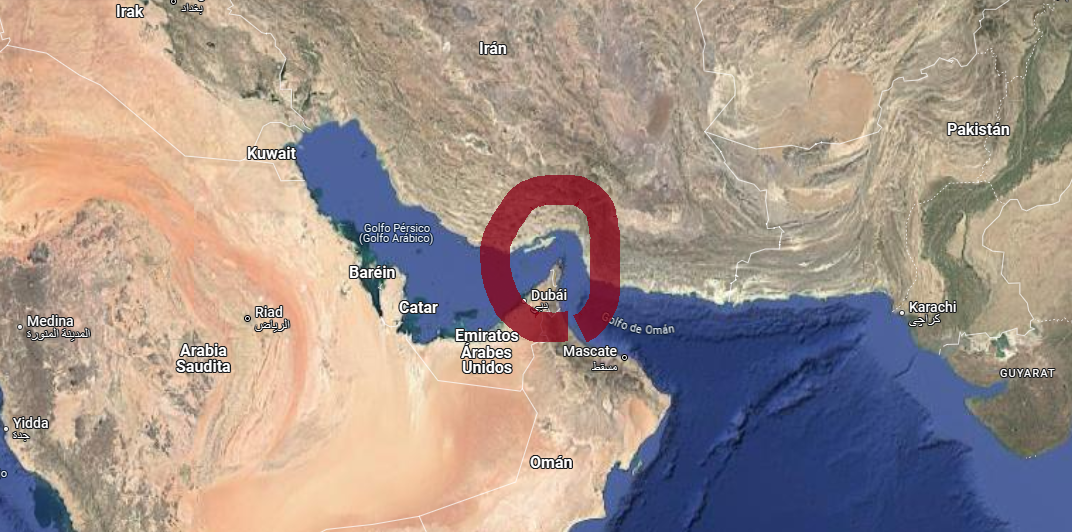
The world watches with growing tension the developments in the Middle East, especially after the recent request by the Iranian Parliament to close the Strait of Hormuz, following U.S. attacks on Iranian targets.
This strait, just 54 kilometers wide at its narrowest point, is one of the most strategic maritime passages on the planet, connecting the Persian Gulf to the Gulf of Oman. About 15 million barrels of oil and large volumes of natural gas pass through it daily, accounting for more than 20% of global crude trade.
Why is this geographic point so important?
Because it is the export route for the energy production of some of the largest OPEC producers: Saudi Arabia, Qatar, Iraq, Kuwait, and the United Arab Emirates. Closing this route would leave these countries with extremely limited options for moving their hydrocarbons to global markets.
More than 85% of the oil passing through Hormuz is destined for Asia, mainly China, India, Japan, and South Korea. The impact of a closure would not only be felt in the Middle East but would also trigger a domino effect on global energy supply, an immediate spike in oil prices, and widespread stress on supply chains.
The Ports Moving the World in 2025
In the realm of international logistics, ports are not just loading and unloading points: they are vital pulses of global trade. They are the connection between continents, industries, and millions of consumers.
In 2025, these are the five port giants dominating maritime traffic, leading innovation, and keeping global supply chains moving.
1. Port of Shanghai (China)
The undisputed leader.
With over 47 million TEUs (20-foot container equivalents) handled per year, Shanghai remains the busiest port on the planet. Its advanced infrastructure, automation, and strategic location make it the heart of Asian trade.
2. Port of Singapore (Singapore)
Technology, speed, and global connectivity.
This port acts as a bridge between Asia, Europe, and the Americas, with connections to more than 600 ports in 120 countries. It stands out for its operational efficiency and role as a global transshipment hub.
3. Port of Ningbo-Zhoushan (China)
The industrial muscle of southern China.
Specializing in both containers and bulk cargo, it has seen meteoric growth. Its proximity to manufacturing centers makes it crucial in the global export chain.
4. Port of Rotterdam (Netherlands)
The gateway to Europe
Rotterdam is Europe’s largest port and the most connected by land, sea, and river. Its focus on sustainability, digital innovation, and multimodality positions it as a model of modern logistics.
5. Port of Guangzhou (China)
Another silent giant.
Key for exports from southern China, Guangzhou combines advanced port infrastructure with high cargo volumes, serving key industries like technology, textiles, and manufacturing.
World Class OOG Service
What is OOG?
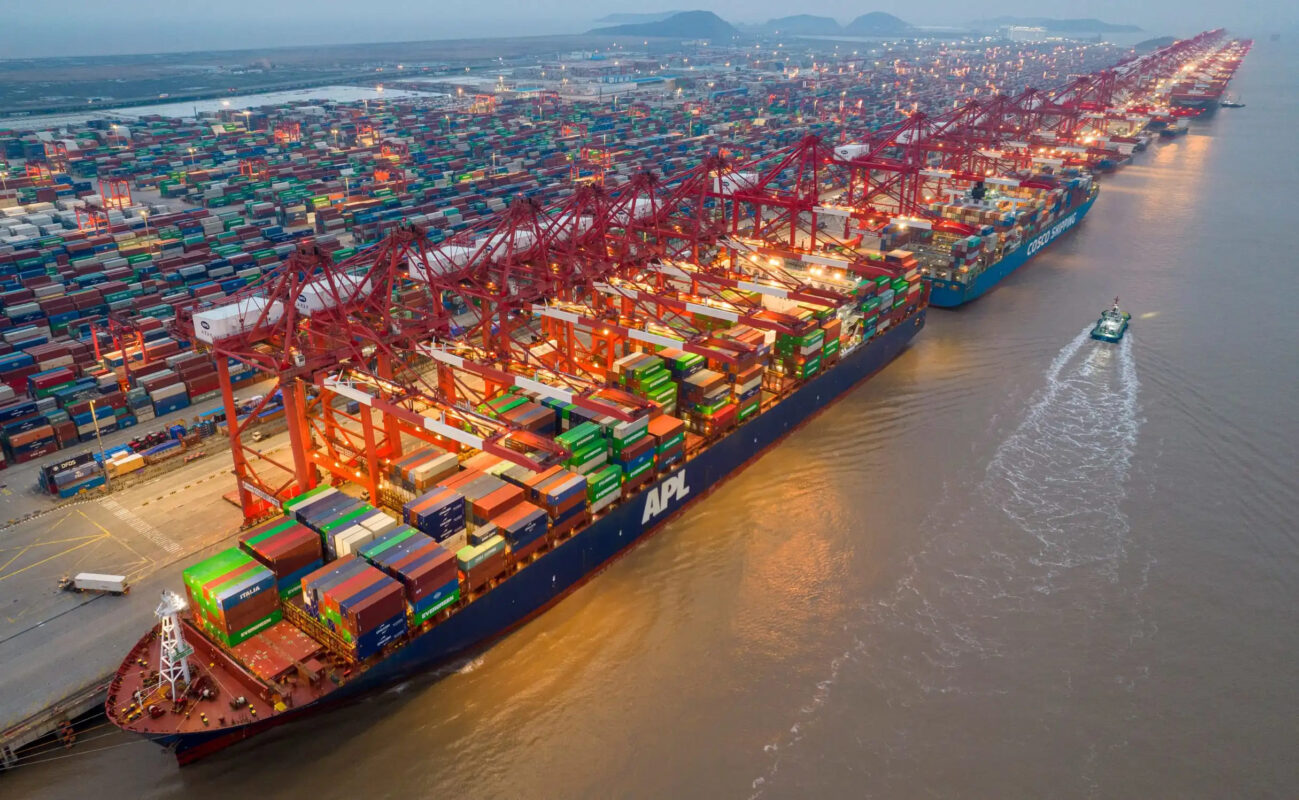
The OOG service is designed to handle oversized or irregularly shaped goods that require specialized attention, detailed planning, and customized transport equipment.
In the world of international logistics, some cargo challenges the limits. Industrial equipment, heavy machinery, metal structures, or energy components that simply don’t fit in a conventional container.
For these out-of-gauge shipments, All Trans Cargo Group has the perfect solution: OOG (Out of Gauge) transportation.
Para esas cargas fuera de medida, All Trans Cargo Group tiene la solución perfecta: transporte OOG (Out of Gauge).
Why choose our OOG service?
-
Tailored solutions: We adapt each operation to the cargo type and technical requirements.
-
Global coverage: We coordinate maritime, land, and multimodal routes.
-
Specialized infrastructure and equipment: Platforms, flat racks, open tops, cranes, and heavy-duty vehicles.
-
Expert management: Our technical team evaluates risks, permits, routes, packaging, and timing to ensure safe delivery.
-
Proven experience: We’ve successfully transported everything from turbines and metal structures to oil components.
Conclusion
Global logistics is at a turning point. The threat of a closure of the Strait of Hormuz highlights how fragile the global energy and trade balance can be. Meanwhile, the world’s top ports remain essential nodes that keep supply chains alive, and advanced logistics technologies like the OOG (Out of Gauge) service are key to responding swiftly to these new challenges.
At All Trans Cargo Group, we don’t just observe change we anticipate it and confront it with smart solutions, global infrastructure, and a strategic mindset. Whether facing geopolitical risks, operating through the world’s main ports, or moving oversized cargo, we are ready to take your business further.

 English
  Spanish