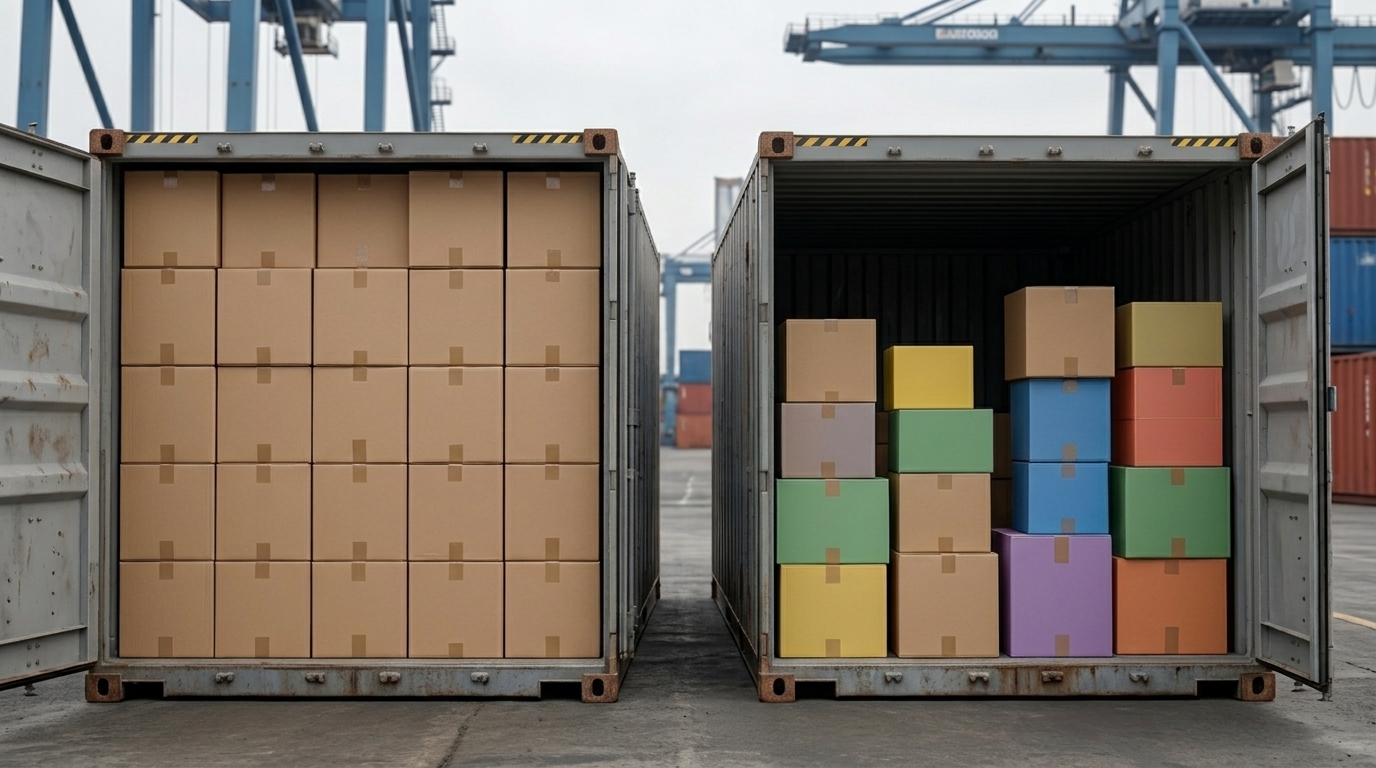
When importing by ocean, one of the first decisions you need to make is how your cargo will be shipped: in a full container (FCL) or by sharing container space with other shipments (LCL). Choosing the right option can mean saving hundreds of dollars per shipment. Here, we explain what each shipping method is, its advantages and disadvantages, and how to determine which one is right for you.
What Is FCL (Full Container Load)?
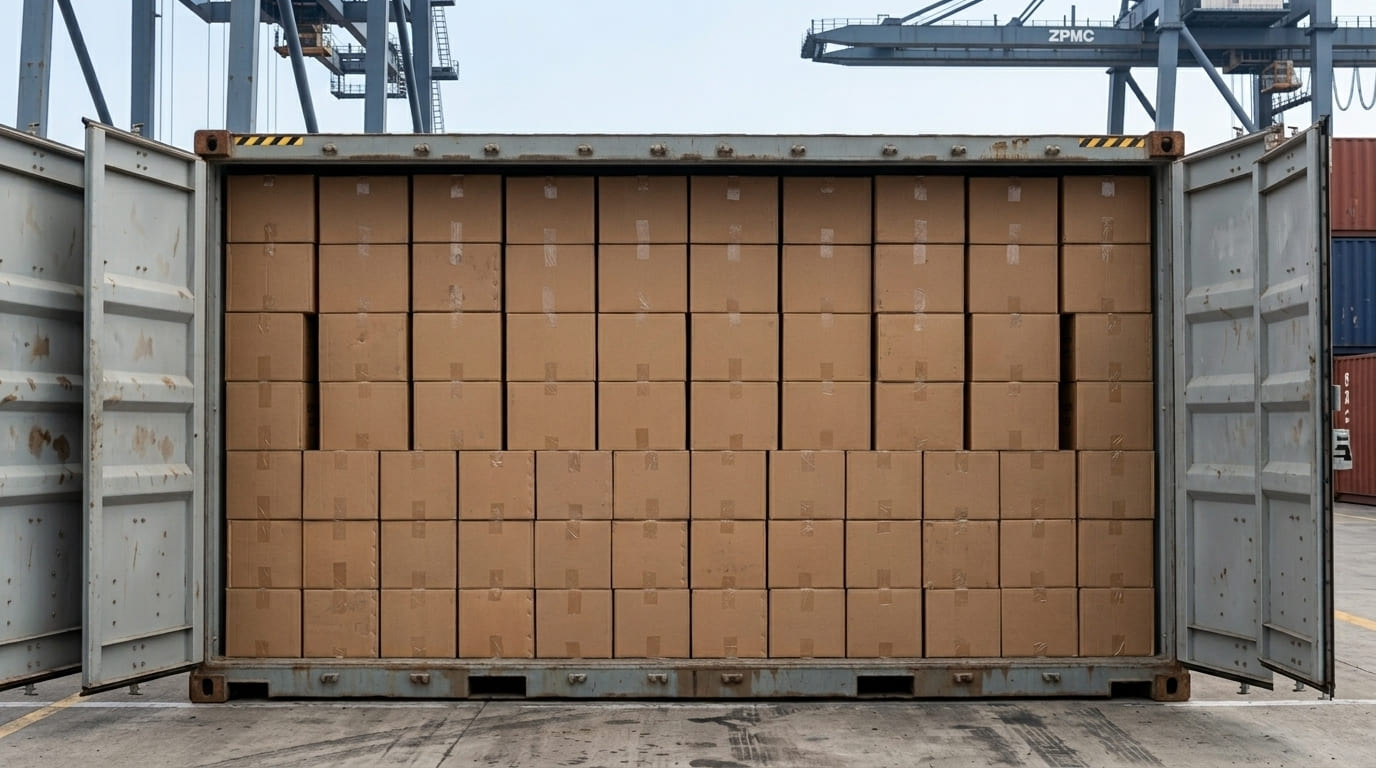
FCL stands for Full Container Load, meaning a full container reserved exclusively for your cargo. You do not share the space with anyone else: the container is loaded and sealed at origin and opened at destination. You pay for the entire container, whether you use 100% of its capacity or not.
What Is LCL (Less than Container Load)?
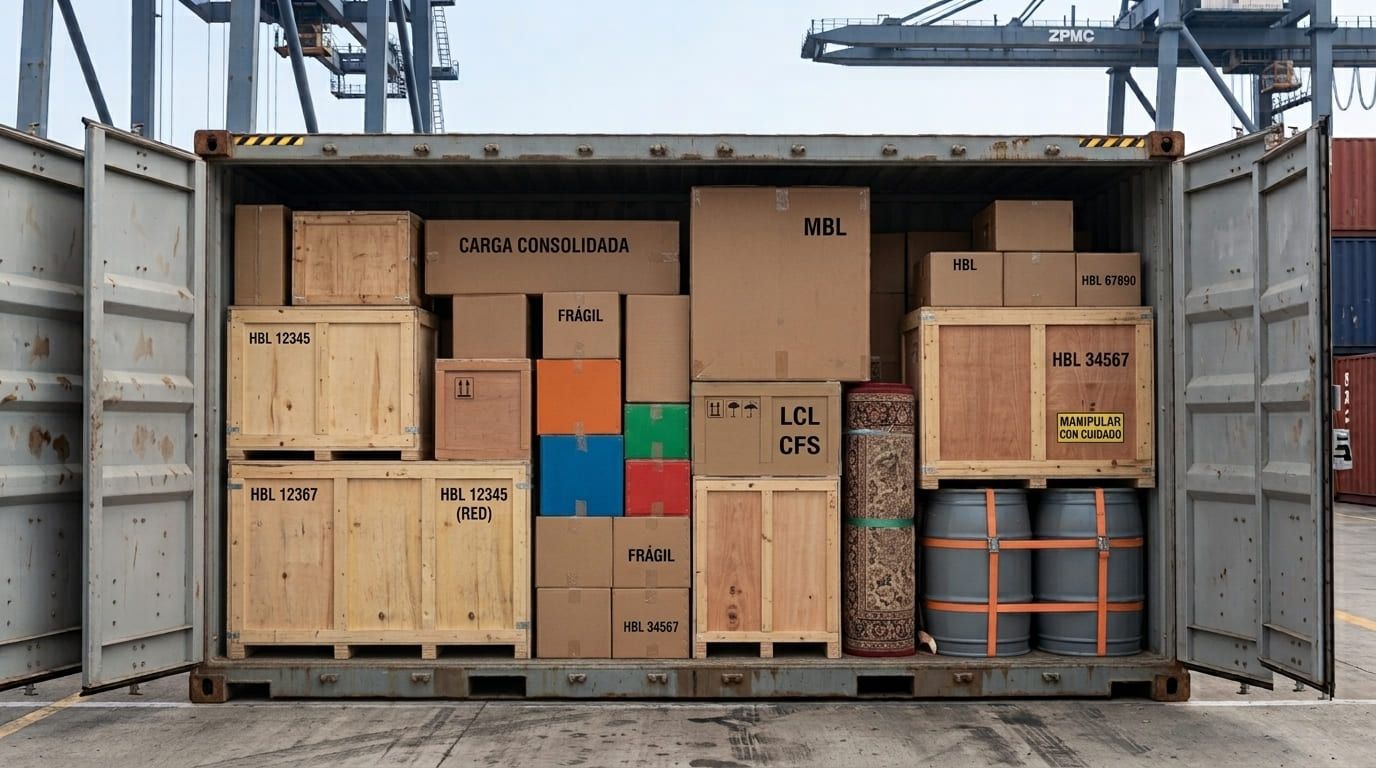
LCL stands for Less than Container Load, also known as consolidated cargo. Your goods share a container with shipments from other importers, and you only pay for the volume you occupy, measured in cubic meters (m³). It is the natural choice when you do not have enough cargo to fill an entire container.
FCL vs LCL Comparison Table
|
Criteria |
FCL (Full Container) |
LCL (Consolidated) |
|
How you pay |
Per container |
Per cubic meter (m³) |
|
Ideal volume |
High (fills the container) |
Low / medium |
|
Transit time |
Faster and more direct |
Slightly longer (consolidation/deconsolidation) |
|
Cargo handling |
Less handling (sealed at origin) |
More handling (combined with other cargo) |
|
Cost per unit |
Lower with high volumes |
Lower with small volumes |
|
Risk |
Lower |
Slightly higher due to additional handling |
When Is Each Option Better?
The general rule comes down to the volume of your cargo:
- Choose LCL when your cargo is small (below approximately 13–15 m³). Paying for a full container would mean wasting space.
- Choose FCL when your cargo approaches or exceeds approximately 15 m³, when you import frequently, or when your goods are fragile or high-value and you prefer to minimize handling.
If you are unsure what container size you would need for an FCL shipment, first check our guide to 20- and 40-foot containers to calculate your cargo volume.
Advantages and Disadvantages at a Glance
FCL
- Pros: Faster transit, less handling, and a lower cost per unit when shipping large volumes.
- Cons: You pay for the entire container even if you do not fill it.
LCL
- Pros: You only pay for the space you use, making it ideal for smaller volumes.
- Cons: Slightly longer transit times and more cargo handling.

 English
  Spanish